Start with the people staying.
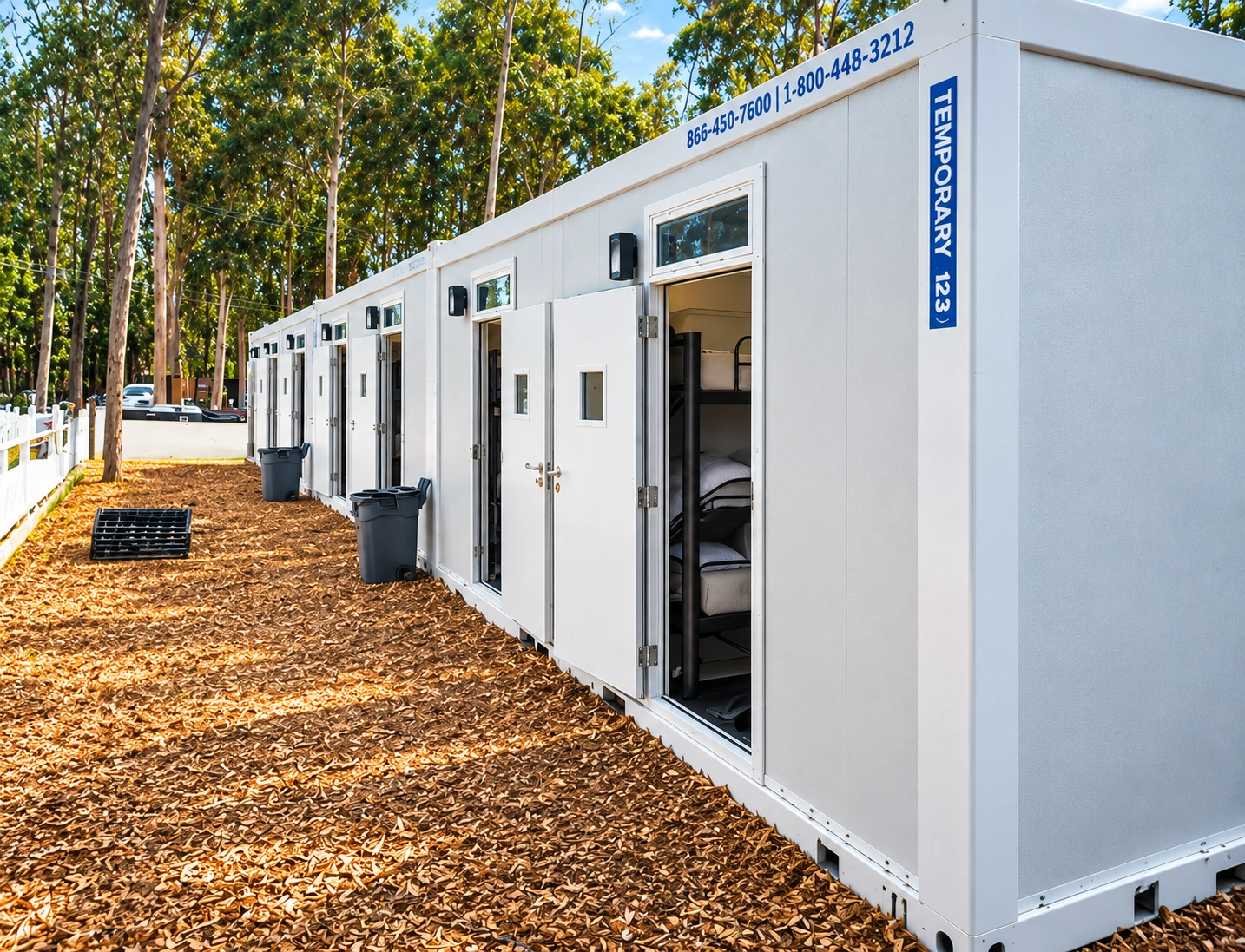
A useful remote workforce housing rental begins with the crew’s occupied routine. Explain how many people stay overnight, which rotations overlap and whether workers keep rooms between work packages. For a High Point assignment, describe the hours people return and how they reach washing, laundry and meals while another rotation rests. Portable sleeper and bunk bed trailers should be reviewed by their actual layout and intended use, with room handovers, personal storage and shared-facility access kept visible in the discussion. Those details help connect a short-term accommodation request or longer trailer lease with the everyday needs of the people using the base.
Connect the everyday facilities.
Remote basecamp trailer rentals bring sleeping accommodation into the same discussion as ordinary washing, laundry and meals. For a Raleigh crew, begin with the permanent amenities already usable at the living property, then identify which supporting units need to be added. Standalone showers, shower/restroom combinations and separate restrooms meet different needs; mobile kitchens and dishwashing depend on the actual meal operation. Emergency refrigeration is a separate requirement when a permanent cooler fails. Keep utilities, cleaning access and routine upkeep attached to the selected arrangement, so temporary facilities for rent support the occupied base without assuming every service comes with the sleeping equipment.
Keep the rental scope clear.
An equipment starting rate helps open a conversation; the written proposal explains what the project is actually comparing. For an Durham remote workforce lease, keep the selected configuration, occupied dates and billing period together, with delivery, setup, collection and any recurring service charges identified separately. Ask how an extension or partial departure affects the agreed scope and who can approve changes. Mobile and modular trailer leasing still needs a usable property, suitable connections and a clear contact for occupied-site questions. Reviewing those responsibilities before booking helps the customer understand the equipment, facilities and daily duties included in the proposed rental arrangement.