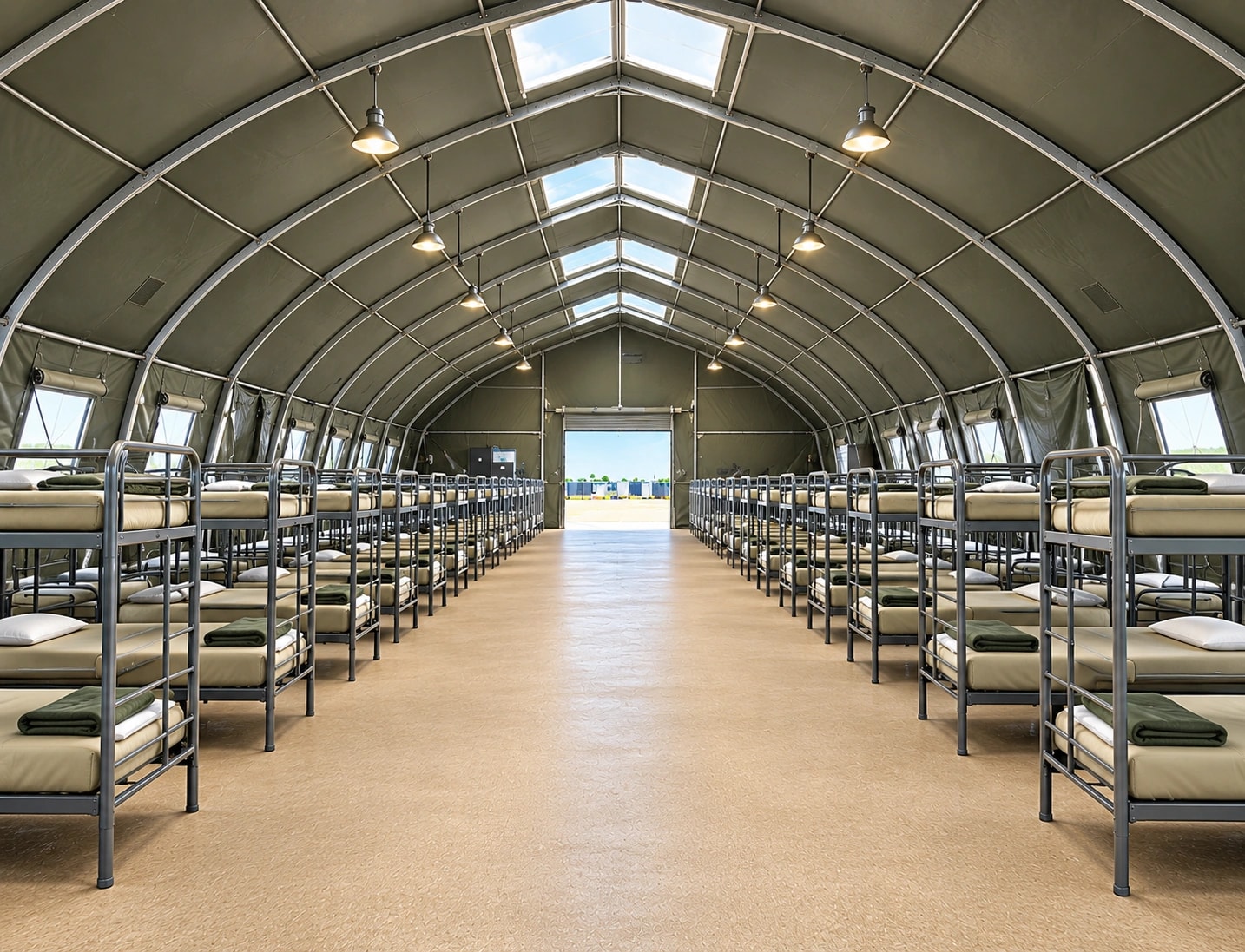
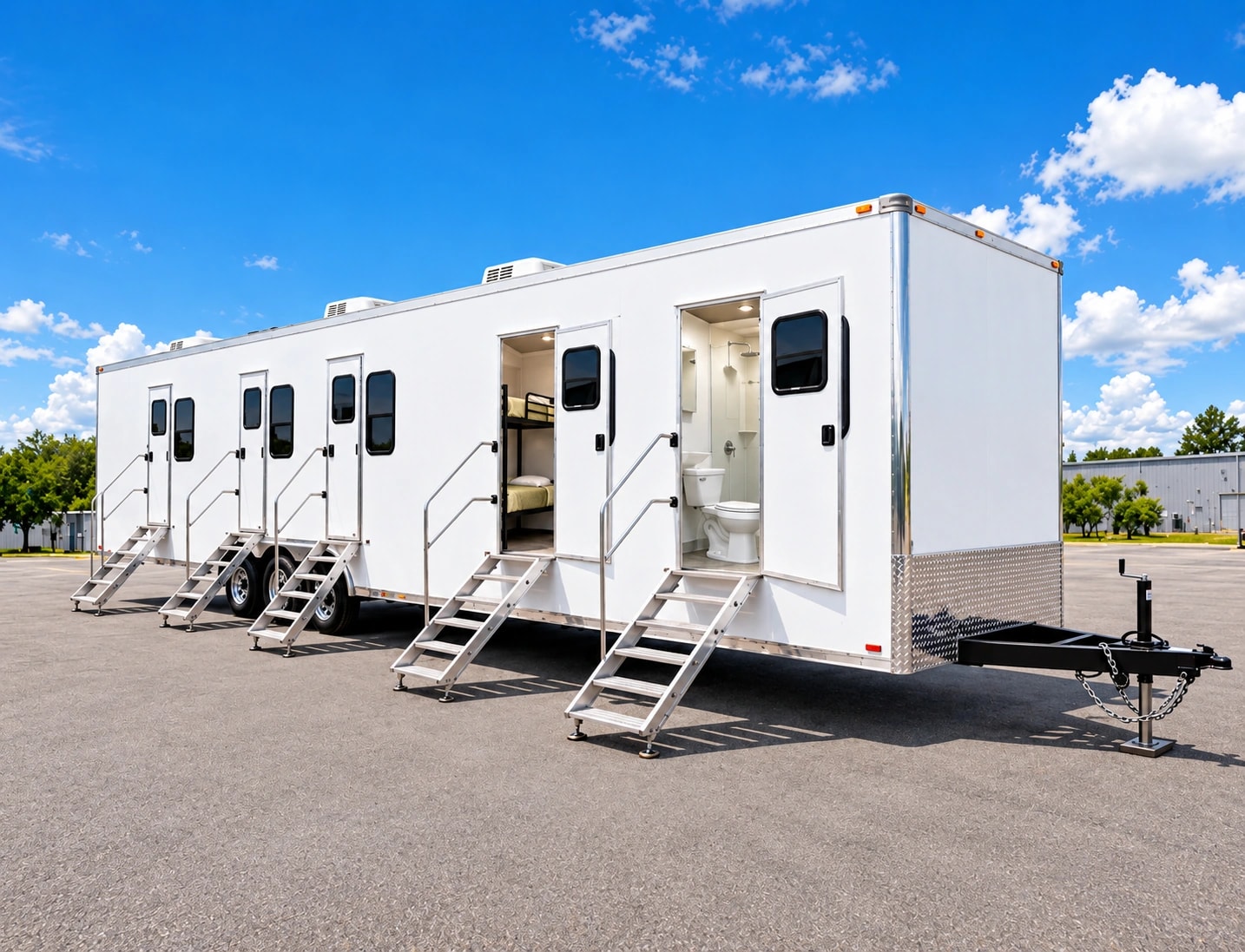
Portable sleeper and bunk bed trailer rentals for the overnight crew.
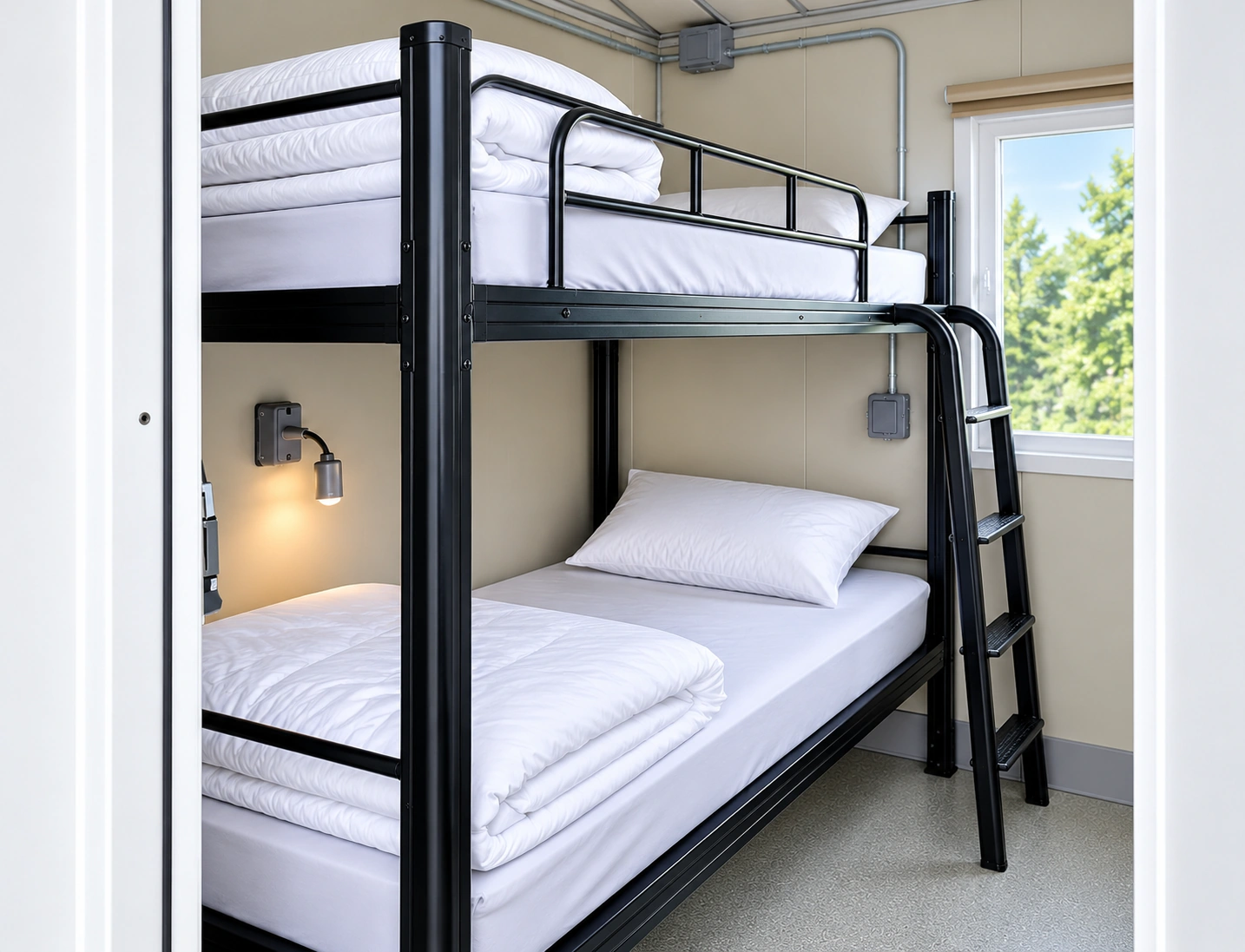
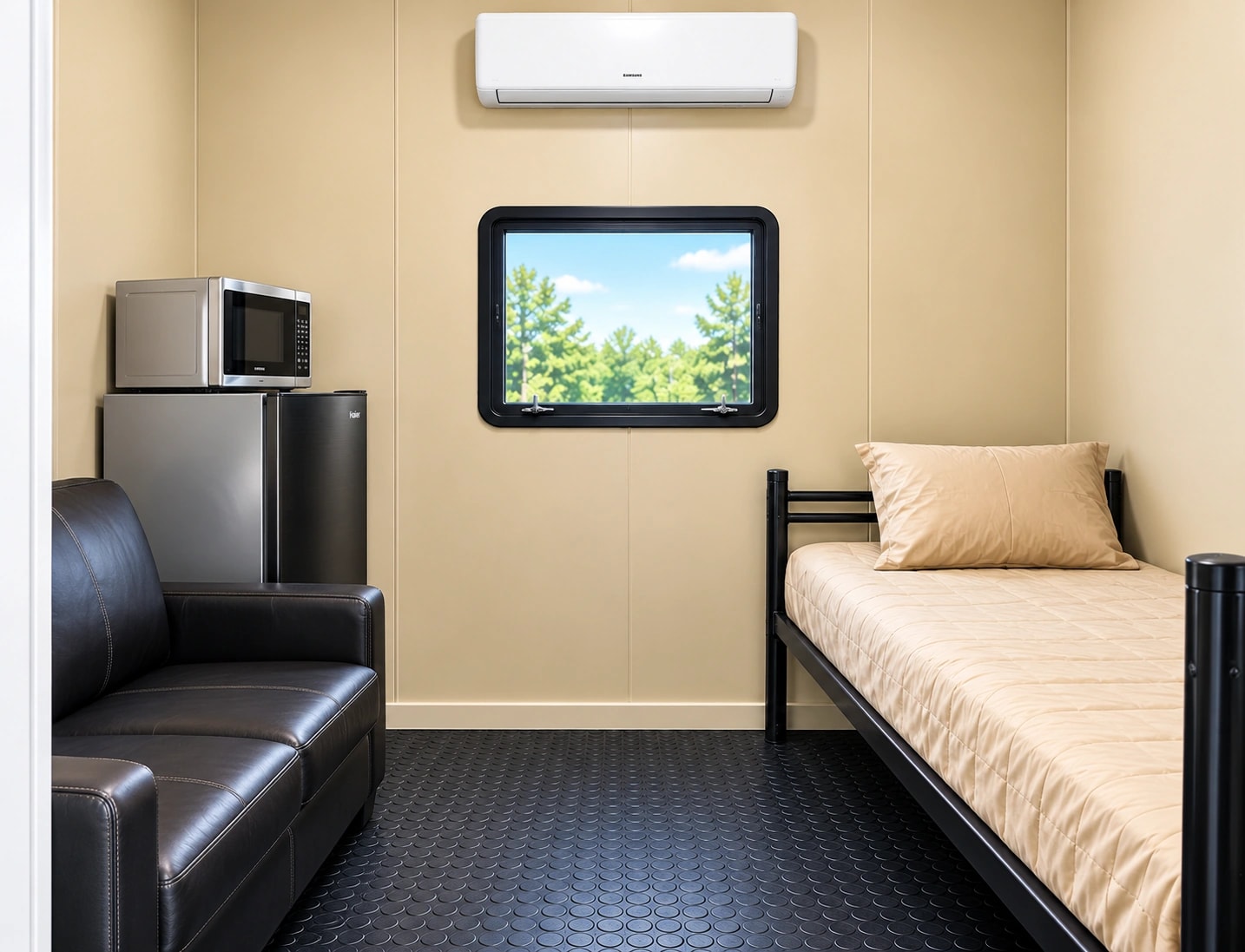
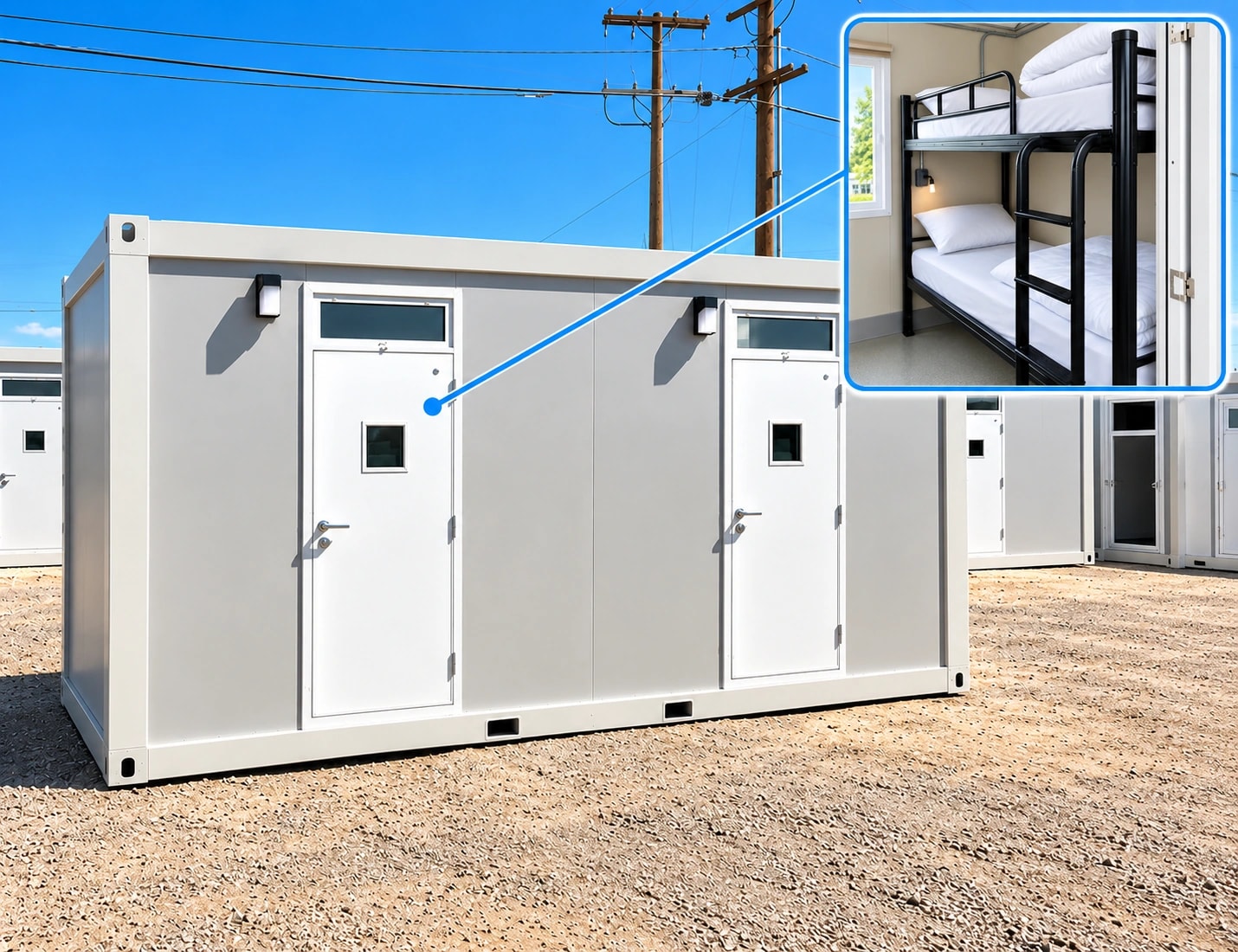
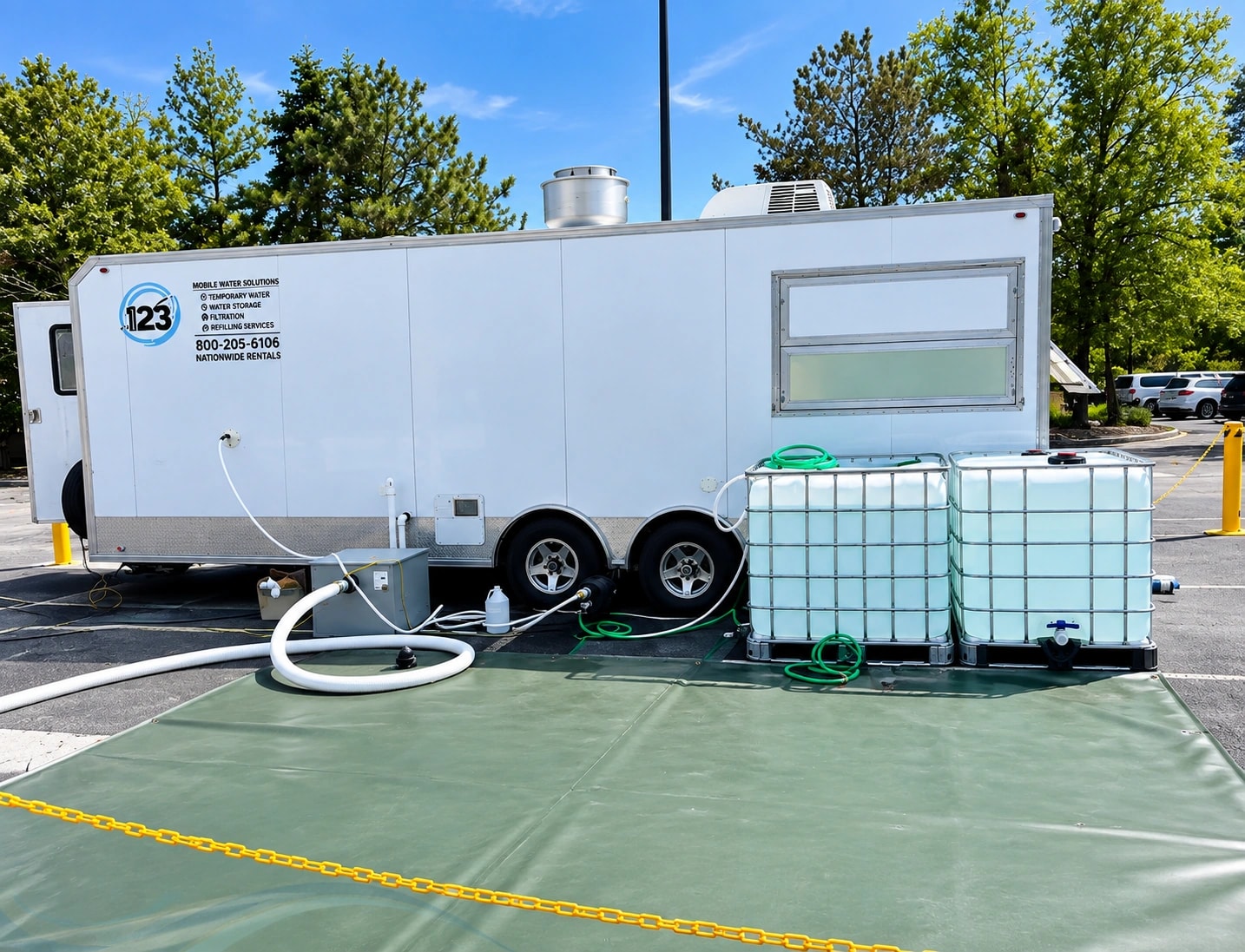
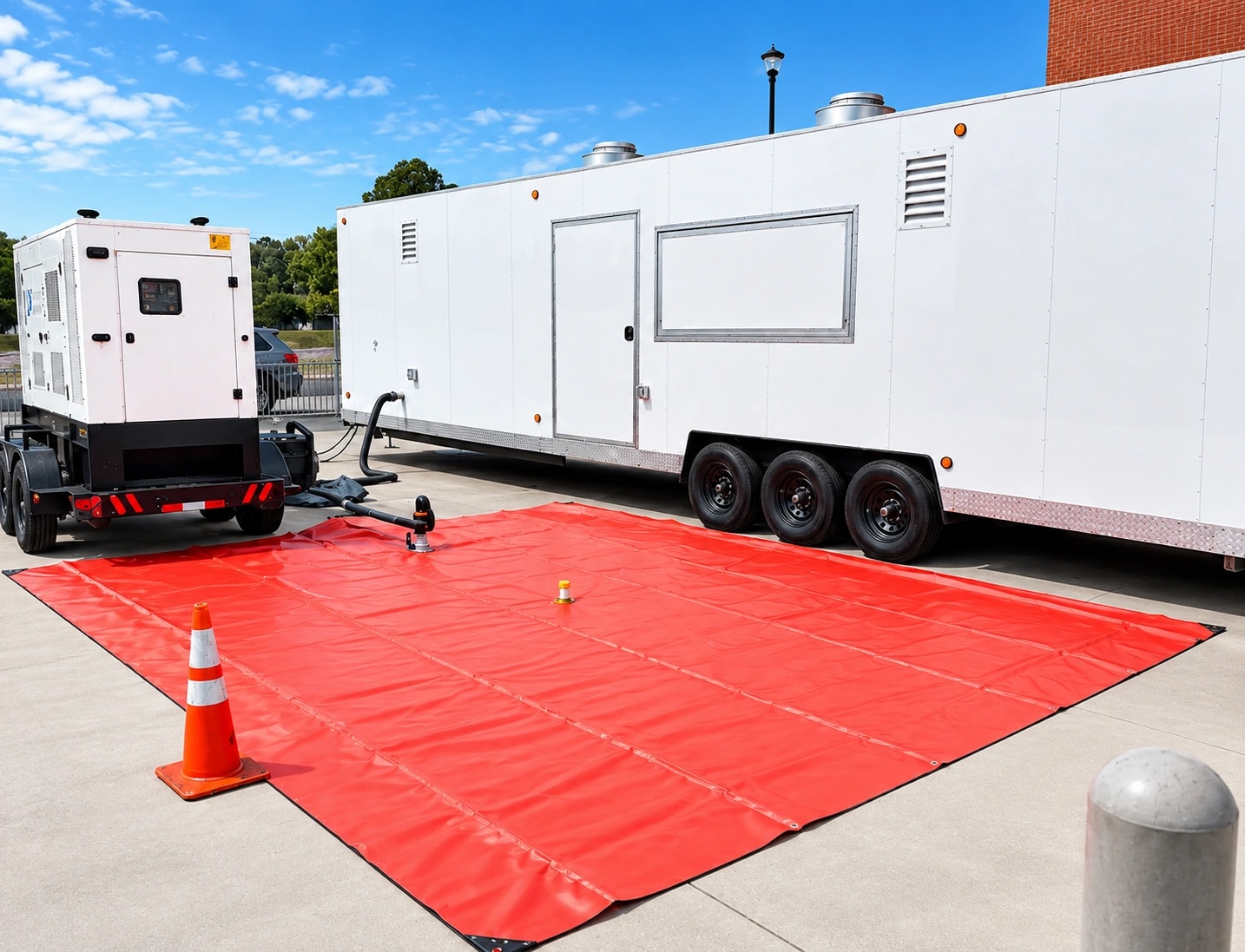
Portable sleeper and bunk bed trailer rentals provide the sleeping accommodation within remote workforce housing, away from the active work zone. Ask to see the actual proposed arrangement: room access, beds, personal storage and the route to toilets or showers. Do not use a photograph as an occupancy specification. The written proposal should identify the configuration and the number of users it is intended to support. For a High Point remote workforce rental, describe the hours each rotation arrives and the space available for personal belongings. The selected equipment and layout should follow those details, with water, power and shared-facility responsibilities reviewed before the occupied stay begins. Explain whether occupants retain their room between work packages and what happens when replacement crews arrive early. The proposed arrangement should make those handovers clear, with personal storage and access to everyday facilities considered alongside the sleeping layout.
Remote workforce housing designed around shift changes.
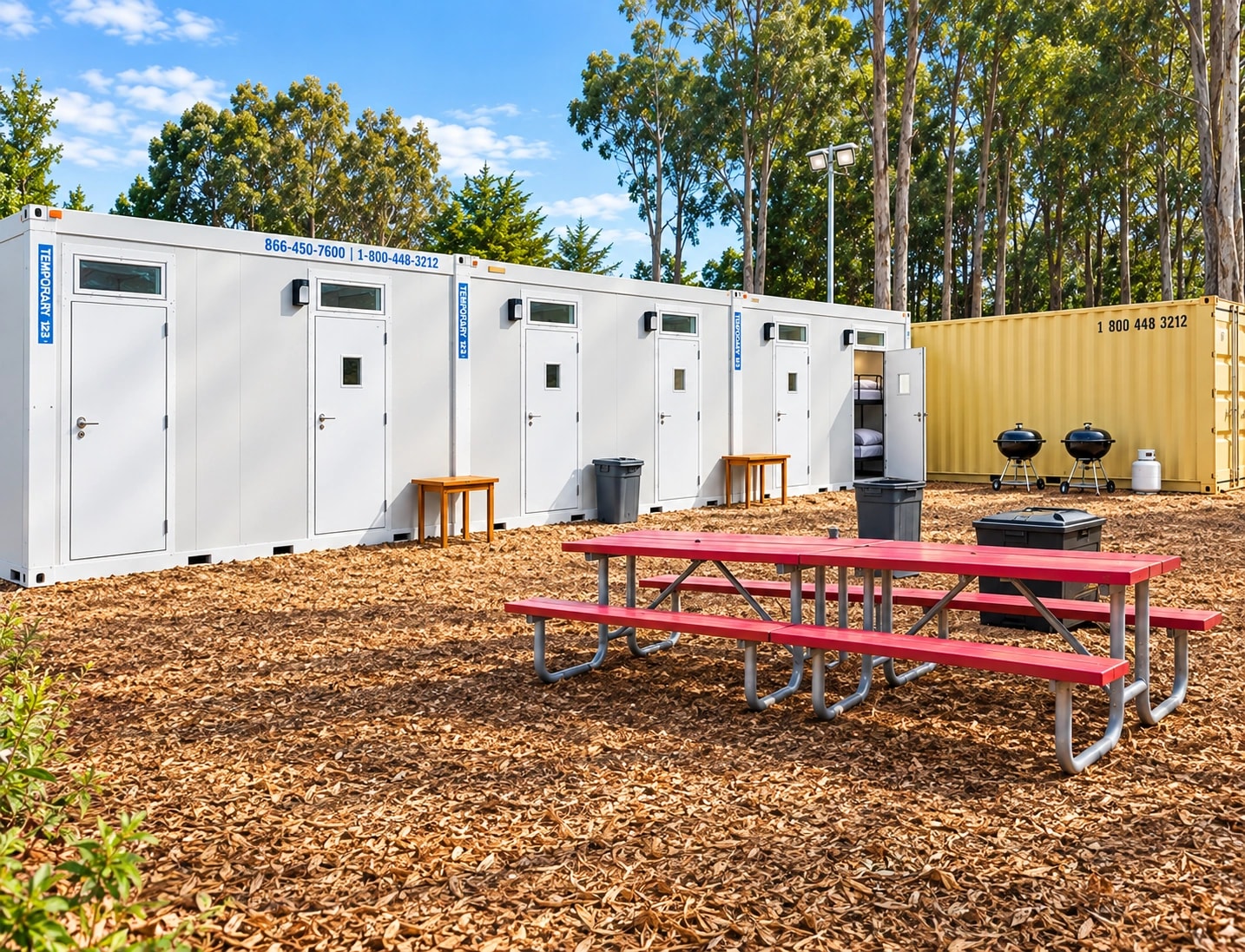
Different shifts may need to sleep at different times. Discuss quiet access, cleaning windows and where shared activities take place. Keep cooking, laundry and vehicle movements in mind when laying out a temporary modular or mobile remote workforce housing site. A separate shower or laundry rental can support the accommodation without being assumed part of the sleeper unit. For a Charlotte remote workforce lease, note whether the accommodation is used during the afternoon by a night shift or mainly after the workday. That distinction helps the site team review shared-facility routes, servicing windows and the proposed room handover arrangement. Include the hours each rotation needs laundry, washing and meals, and identify the person keeping the room list current. Review how service visits fit around those hours rather than assuming all occupants leave the living base together each morning.
Long-term trailer leasing and short-term emergency rentals.
For a long-term trailer lease, consider how crew rotations, personal belongings and servicing will be handled over time. For a short-term emergency assignment, the same basic questions still apply: who is staying, on which dates, and at what address? Confirm unit availability and the complete rental price for that scope rather than treating an example image as current stock. For a Hickory remote workforce rental, record which trades remain throughout the assignment and which arrive for shorter work packages. Ask how minimum terms, partial months, extensions and final collection apply to that proposed occupancy before comparing the equipment starting rate. Ask how an early departure, delayed work package or additional rotation changes the written scope. Compare those arrangements alongside equipment charges so the lease describes the occupied period and responsibilities the project team actually expects to manage.