Mobile shower and restroom rentals for remote workforce housing.
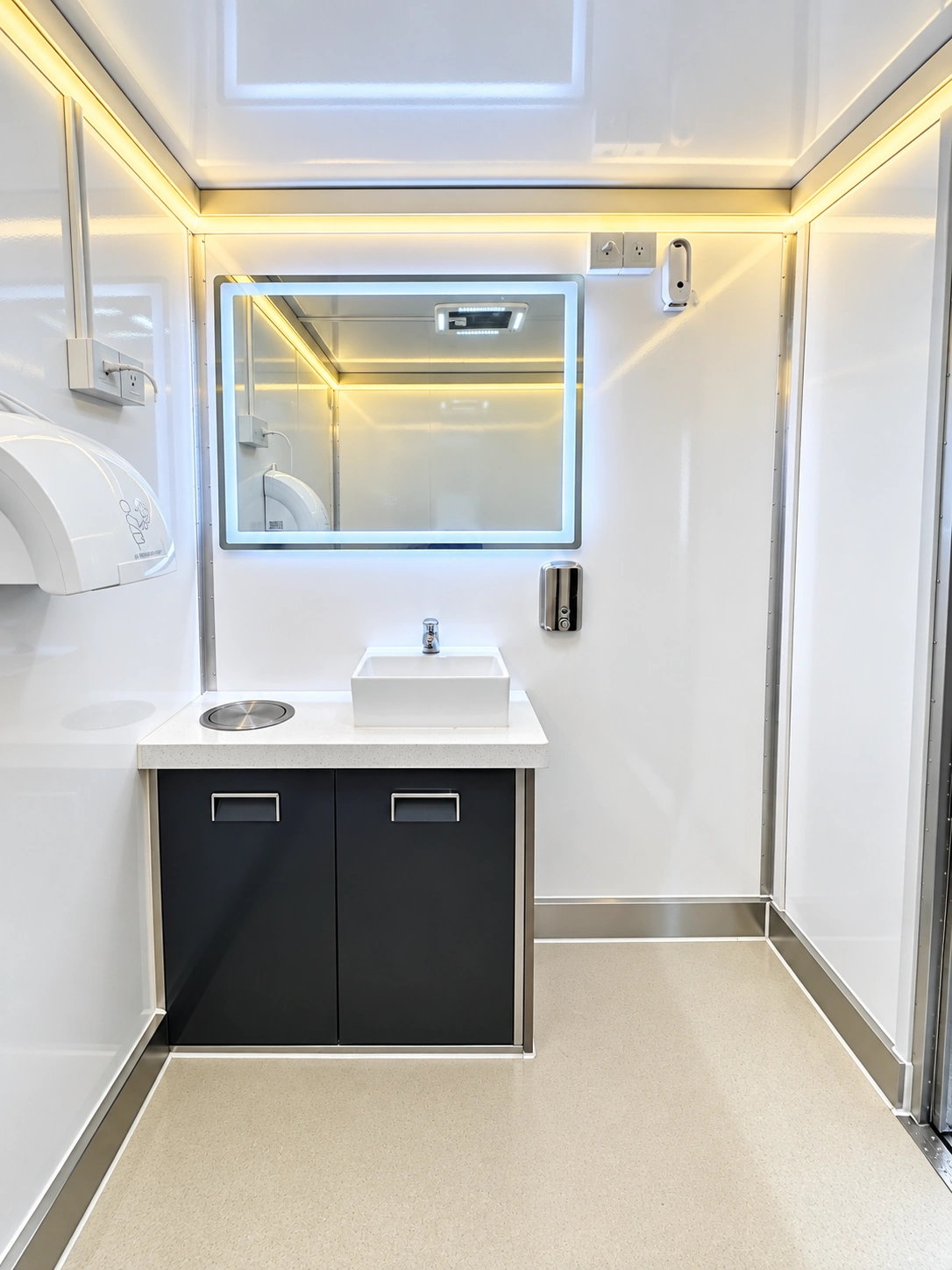
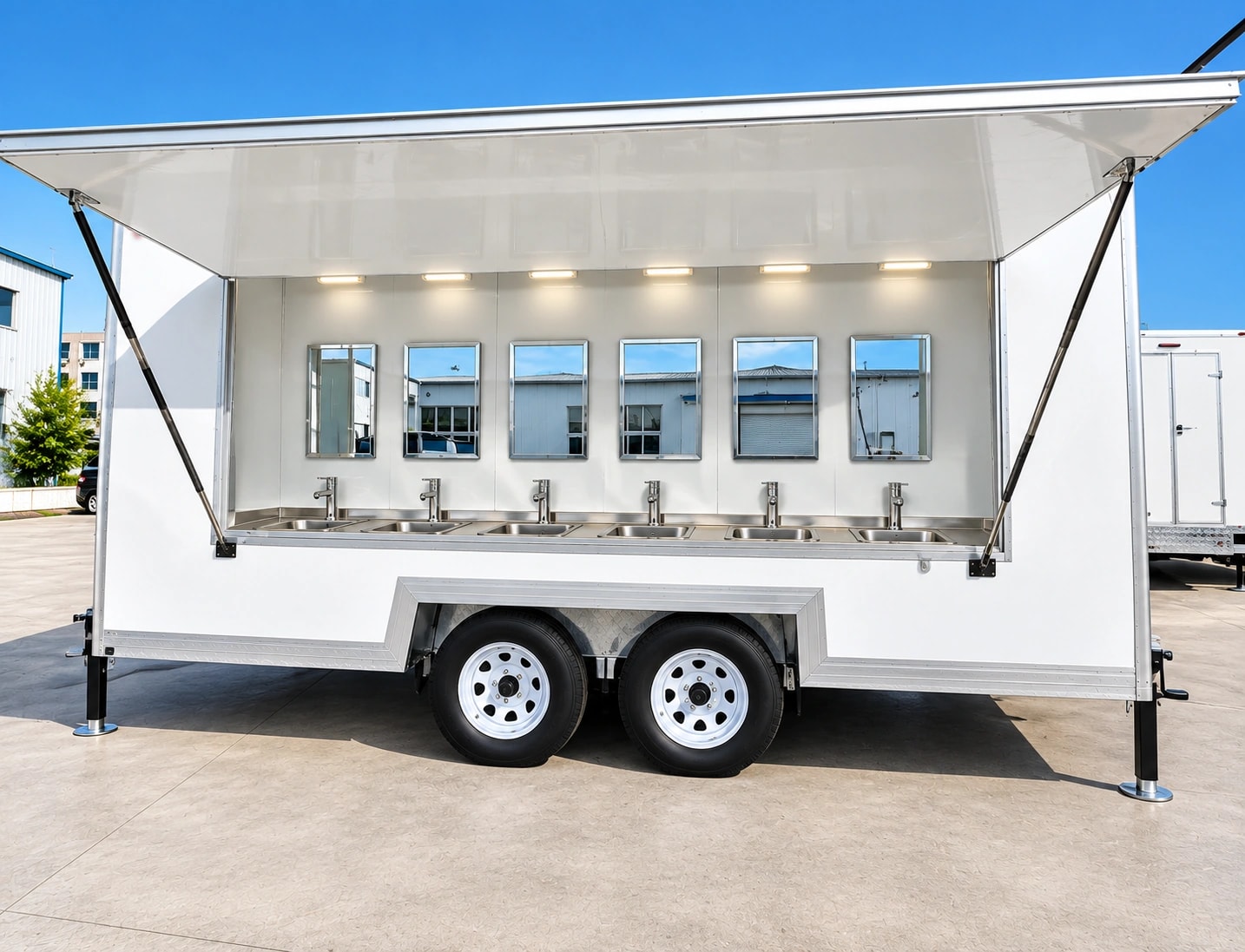
Standalone shower trailers provide washing facilities. Shower/restroom combinations put both functions in one unit, while standalone restroom trailers provide a separate bathroom facility. Place the selected facilities around the portable sleeper and bunk bed trailers rather than assuming sleeping accommodation includes a separate shower or bathroom unit. Discuss peak users and operating hours as well as the total crew; a shift change can concentrate demand into a short window. For a Fayetteville remote workforce base, explain whether teams arrive together or use the facilities over a longer period. Review the actual units and access arrangements rather than assuming that every shower, bathroom or combination trailer has the same capacity, features or connections. Identify which bathrooms or washing areas already serve the property and whether the crew can use them during off-duty hours. That comparison helps define the additional rental request without assuming every temporary unit needs to duplicate an existing permanent facility.
Portable laundry facilities for long-term remote basecamp stays.
Mobile laundry trailers help crews handle everyday washing during an extended Remote Man Camp rental. Plan the expected loads, the time people have between shifts, and the route between accommodation and laundry. Confirm the proposed machines and utility requirements rather than inferring capacity from a library photograph. Industrial-contaminated workwear needs an appropriate specialist process; do not assume an ordinary laundry setup is suitable. For a Wilmington remote workforce trailer lease, agree who keeps the laundry area available and when service vehicles can reach it. Ask how the proposed arrangement fits room cleaning and crew rotations without suggesting that equipment rental includes an operator or cleaning team. Explain whether laundry demand is spread through the week or concentrated around rotation changes. Agree where ordinary clean clothing can be kept and how workers reach the facility, with any proposed servicing schedule reviewed against the hours people are resting.
On-site utilities for temporary camp facilities.
Potable water, hot water, electrical supply and lawful wastewater handling need a project-specific plan. Review connection distances and access for cleaning or servicing before equipment arrives. Ask the quote to name which connections, tanks, servicing and collection arrangements are included. Hygiene facilities support a housing rental, but the right layout depends on the property and the actual equipment selected. For an Durham remote workforce rental, identify the site contact responsible for checking that the connections are ready. Keep utility preparation, routine cleaning and final collection as separate responsibilities in the proposal so the living base has a workable plan throughout the occupied period. Identify the person who reports a loss of water or electrical service and who can authorize access for maintenance. Record those contacts with the occupied schedule so routine operating questions can be answered when the daytime project office is closed.