Remote Man Camp rentals start with the overnight crew.
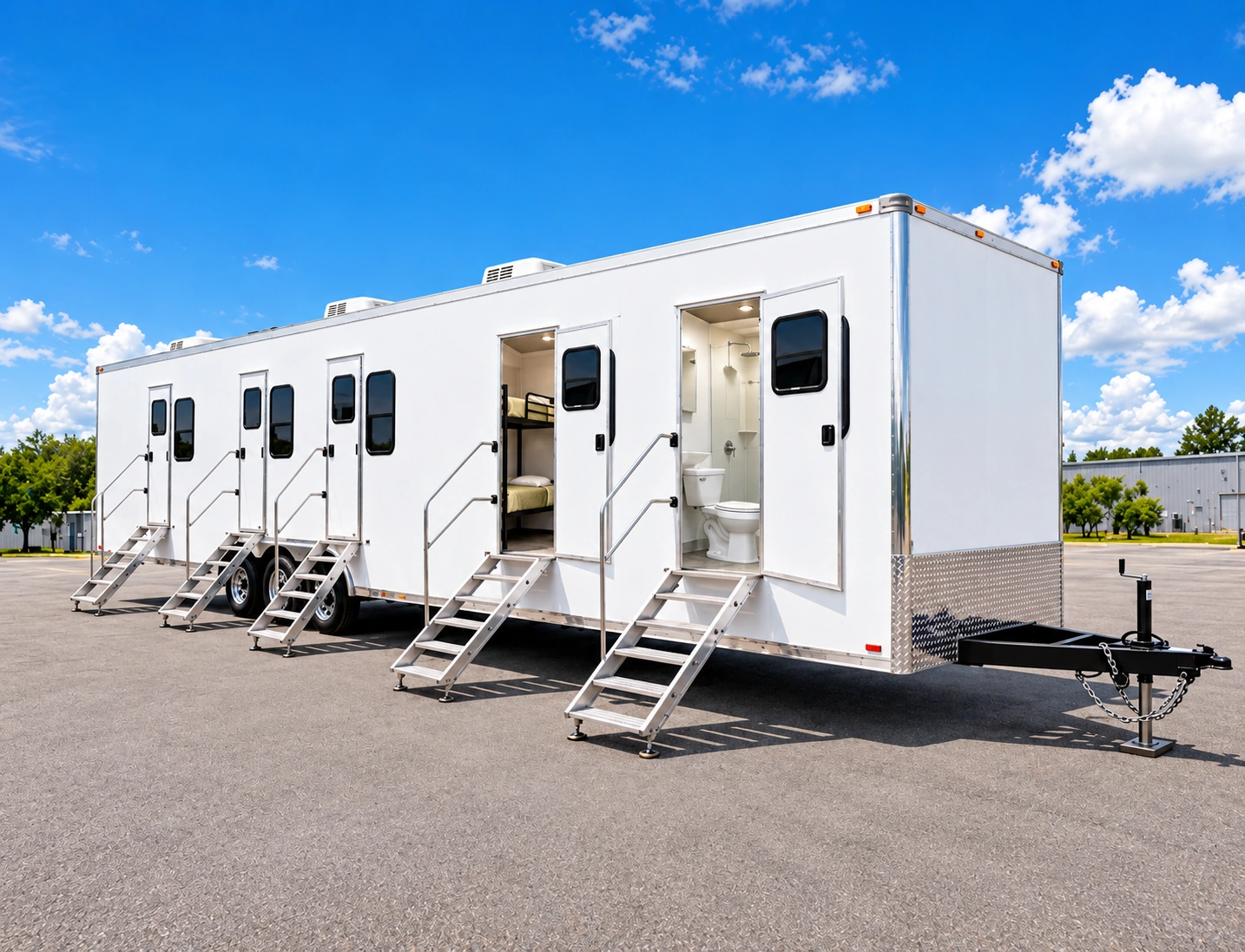
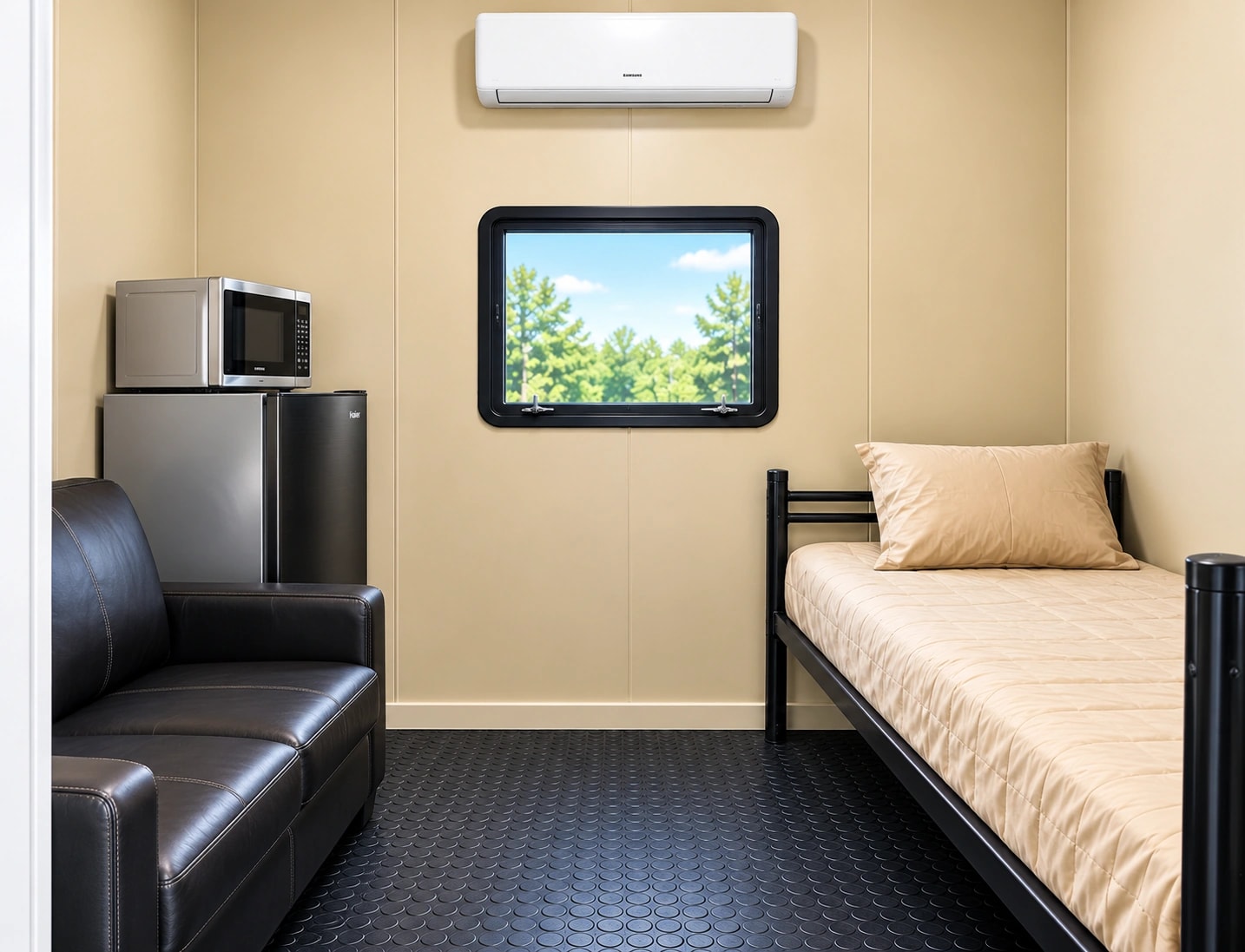
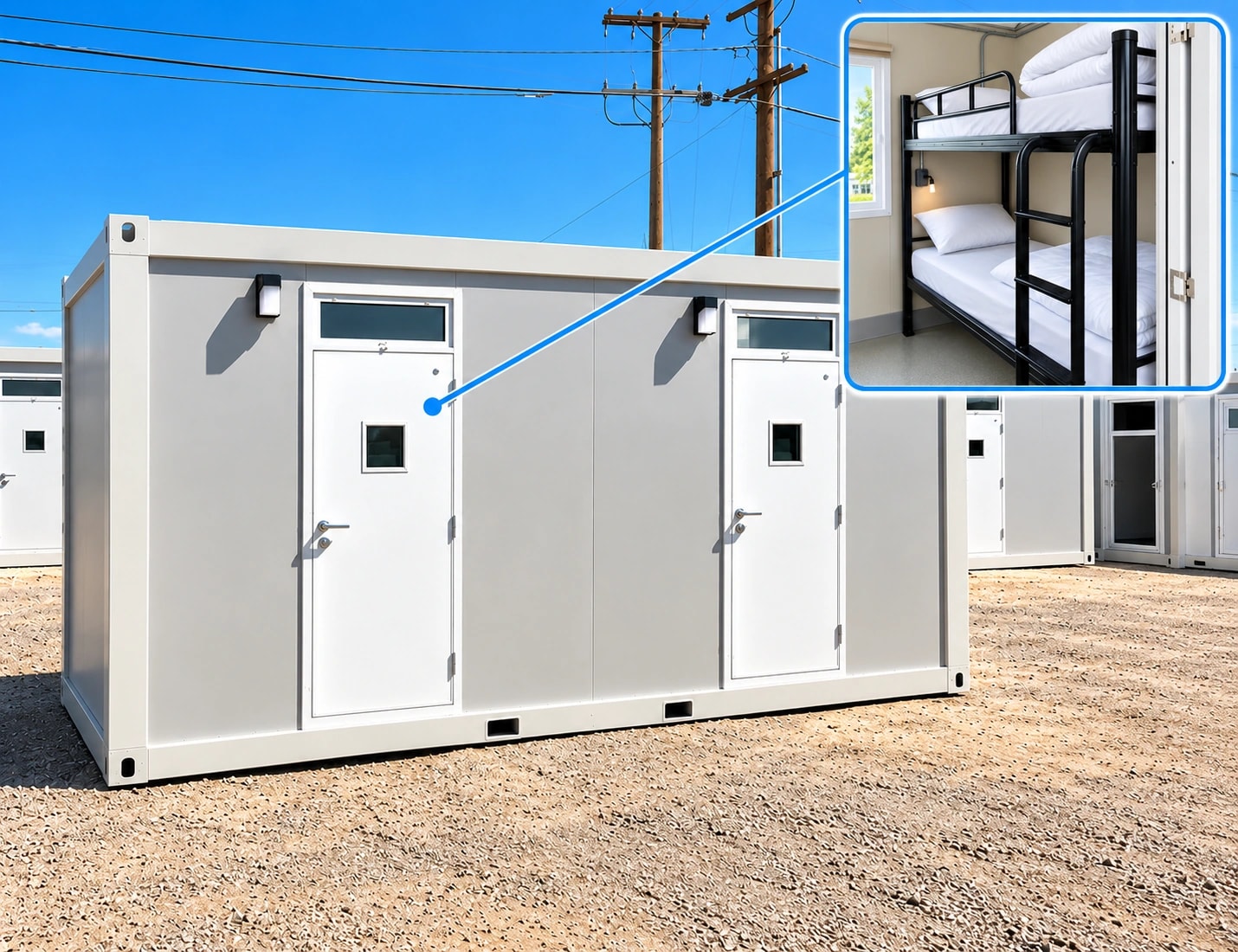
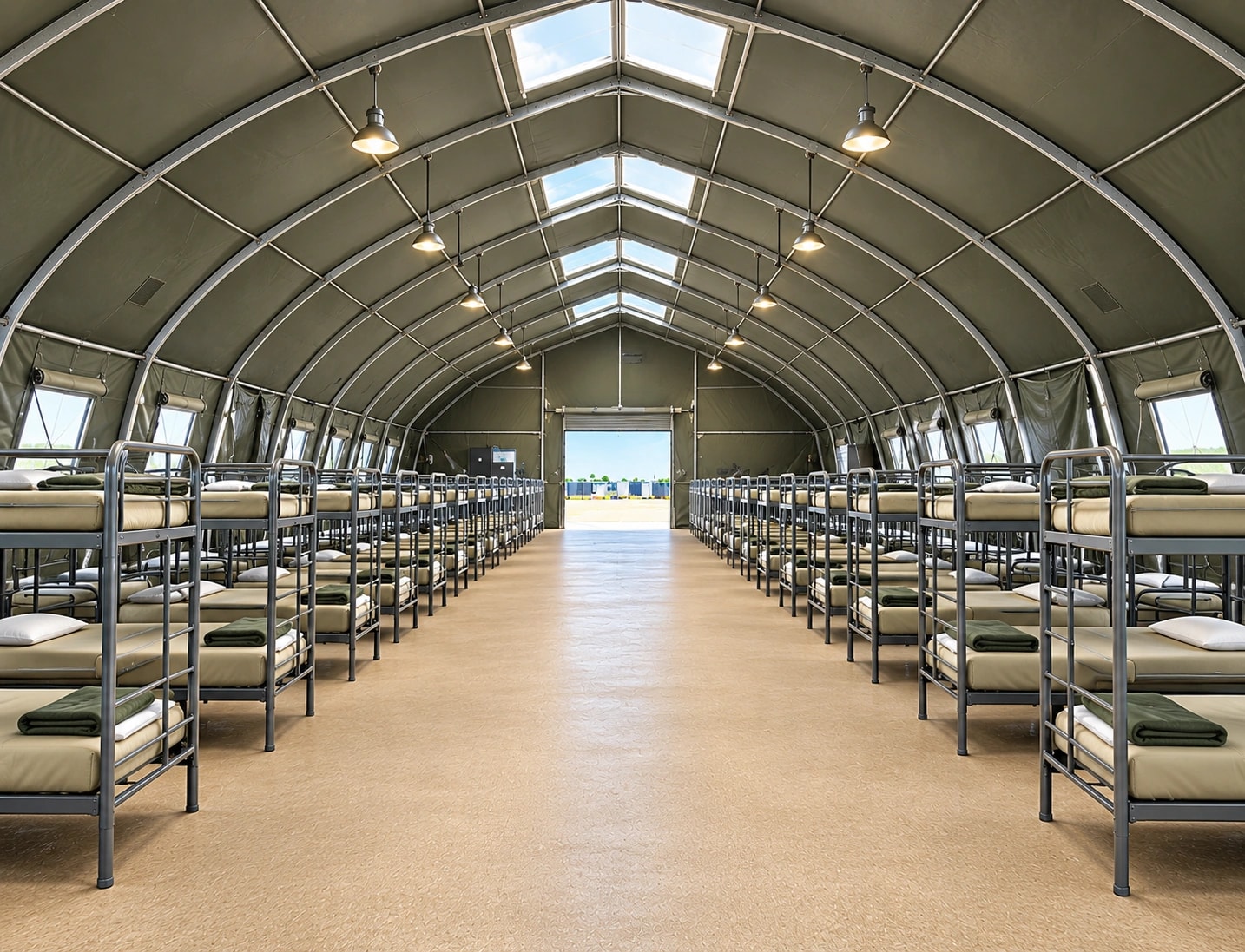
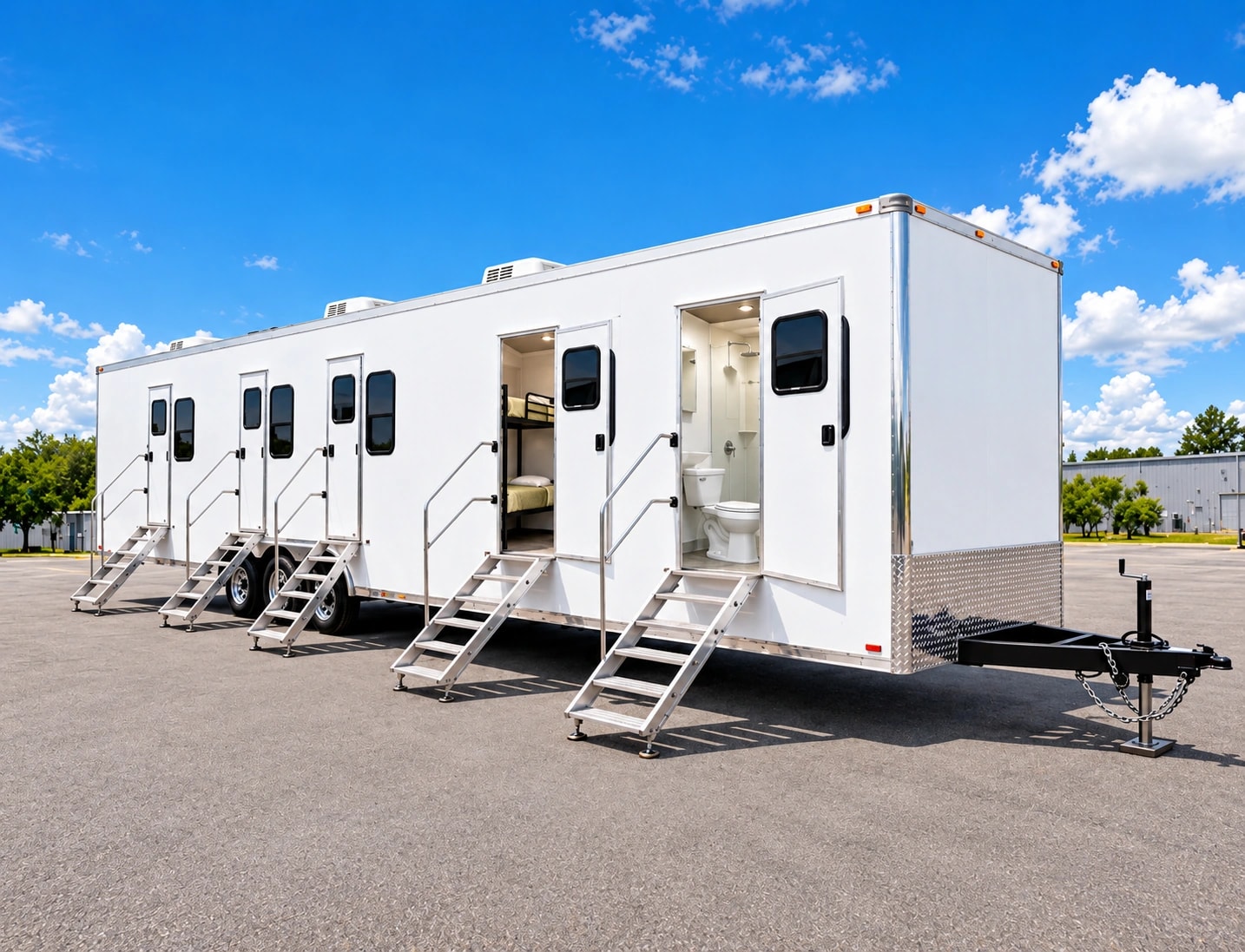
Remote Man Camp rentals are temporary accommodation and supporting facilities for commercial crews working away from home. Begin with the peak number staying overnight, arrival and departure patterns, and the difference between a day crew and a night crew. A headcount helps define the request; it does not establish how many people a particular trailer can accommodate. Review the proposed portable sleeper or bunk bed trailer layout and permitted use before choosing units. For a Winston-Salem construction team, identify one person who can confirm roster changes and the amenities already available at the living property. A clear remote workforce trailer rental scope helps distinguish sleeping requirements from facilities that can remain in permanent use. Include any overlap between departing and arriving rotations, together with the storage and room handover arrangements workers need. Ask how the proposed layout supports those routines instead of treating a nominal headcount as a confirmed room plan.
Mobile and modular facilities. One remote basecamp plan.
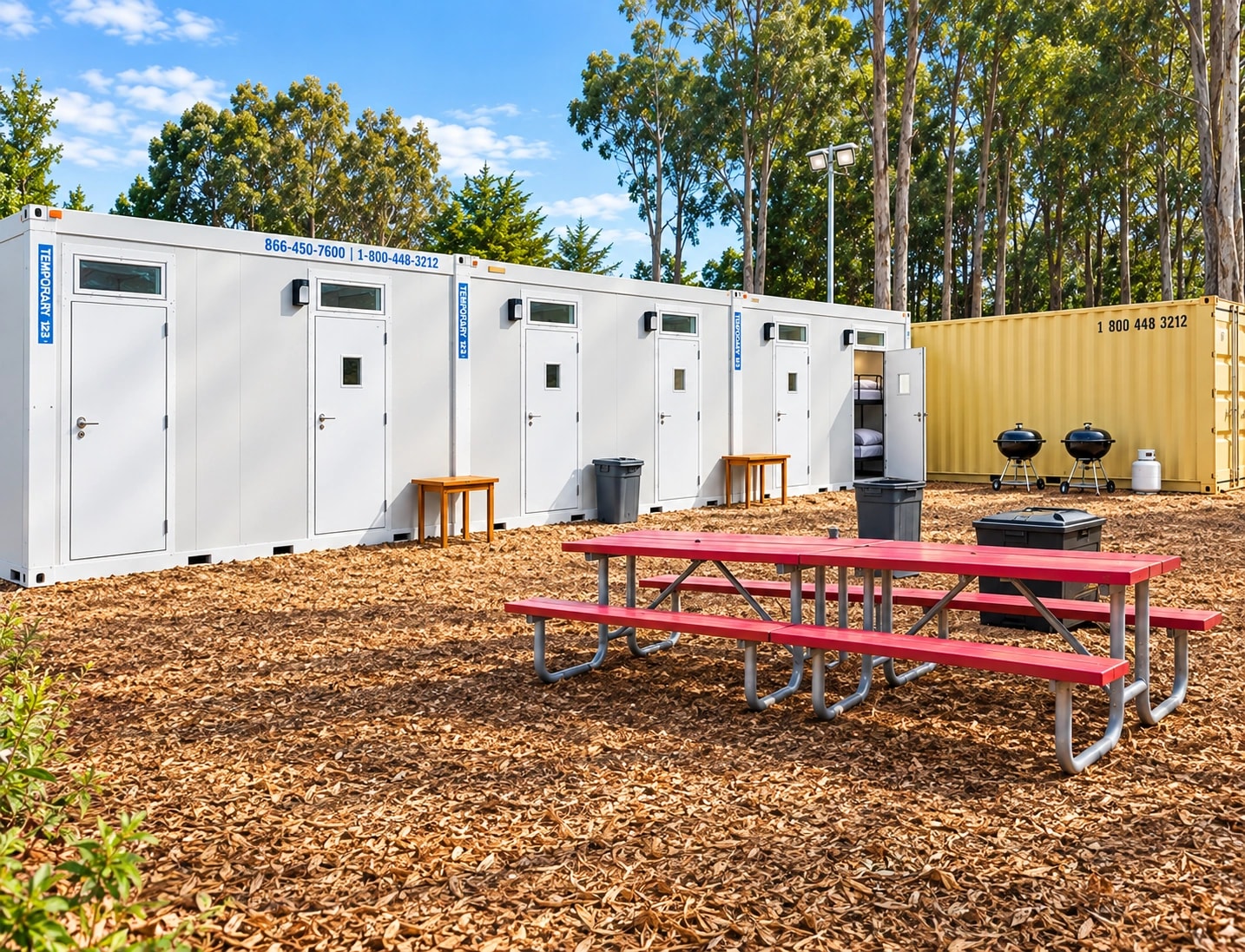
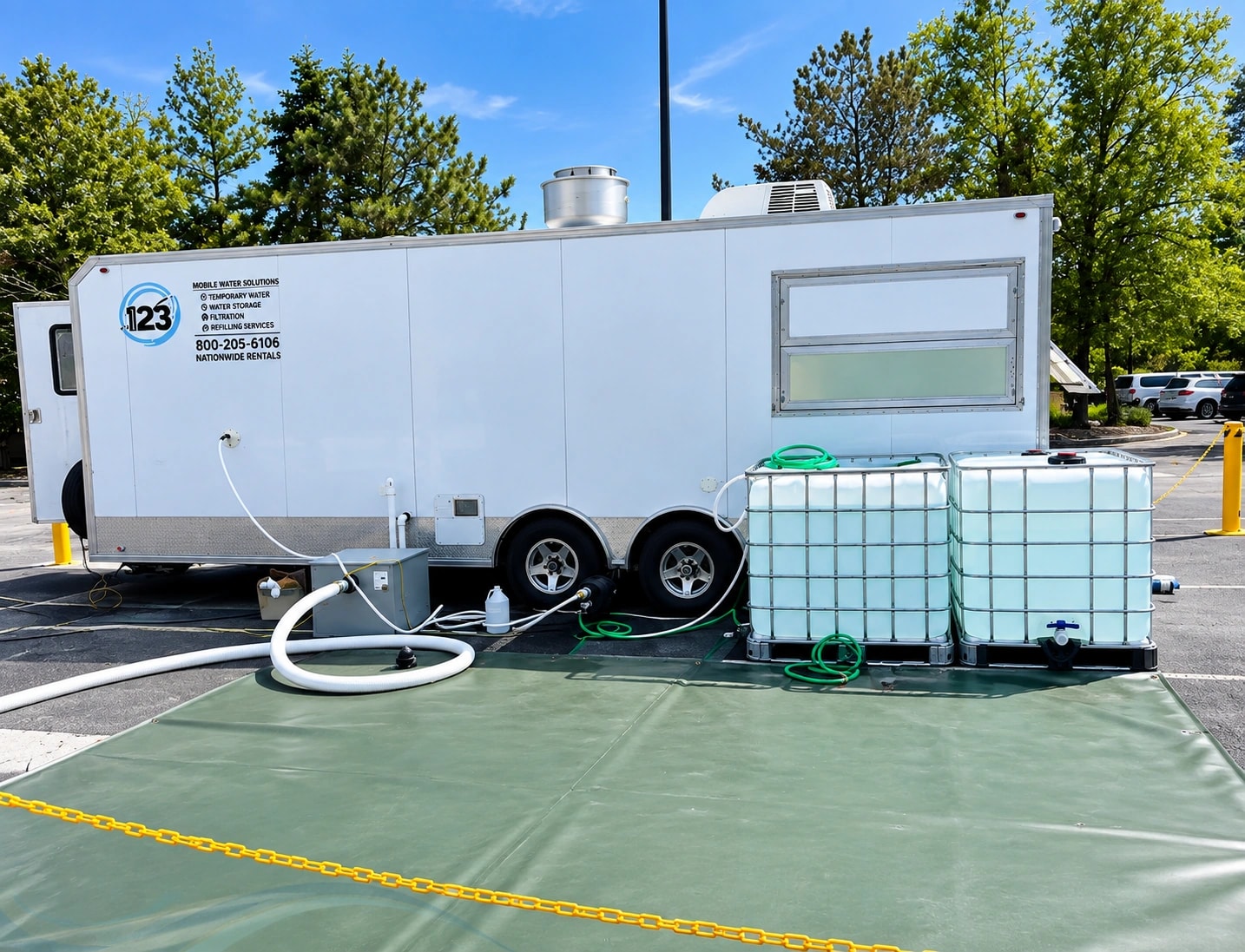
A remote basecamp rental is more than a list of trailers. Sleeping space, hygiene, meals, utility connections and daily upkeep need a coordinated plan. Confirm who controls the land, prepares it, connects the utilities and services the occupied facilities. A modular or mobile remote workforce housing arrangement can be discussed for a short-term rental or long-term lease without assuming every service is included in one price. For a Greensboro remote workforce lease, keep a named contact for the living property independently of the active industrial operation. Record when shared facilities can be used and how planned service visits fit around rest periods, with any additional equipment listed separately. Review the placement of shared facilities against the routes people actually use between their rooms, washing areas and meals. Keep servicing access clear after parking and everyday operations begin, with changes to the layout reviewed before additional units are requested.
Remote workforce housing for construction, renovation and emergency recovery.
Construction, industrial cleanup, renovation and emergency recovery have different crew patterns. Share the work schedule and the housing schedule separately. Where the site changes during a contract, review collection or relocation before the next phase starts. Ask for the selected facilities, rental period, transport, setup and servicing responsibilities in the written proposal. For a Raleigh remote workforce rental, explain whether specialists retain rooms between work packages or leave entirely. Ask how an extension is approved and how units can be collected without disturbing people still occupying the rest of the base. For a changing construction program, identify the dates specialists arrive and whether they return for later packages. A clear occupied schedule helps the rental team review extensions and partial collection without assuming the public work program determines accommodation demand.